

Navigating the Tides: The State of Pakistan’s Textile Industry in 2026
The textile industry has long been the lifeblood of Pakistan’s economy, accounting for a massive portion of the country’s total export earnings. As we progress through 2026, the sector finds itself at a critical crossroads, defined by a shift from the survival tactics of previous years toward a more structured, resilient growth model. While the ghost of 2025’s economic volatility still lingers, a new narrative is emerging—one defined by rapid technological adoption and a decisive pivot toward global environmental standards. To understand the current position, we must analyze how the transformative and often turbulent events of 2025 reshaped the landscape for every textile manufacturing company operating within the region.
The 2025 Catalyst: Lessons in Resilience
The year 2025 acted as a catalyst for change, marked by record-high energy tariffs and a fluctuating currency that forced a massive migration toward efficiency. During that period, the industry faced a “triple threat” of rising costs, a local cotton deficit, and a global shift in consumer behavior that demanded absolute transparency in supply chains. Many firms responded by integrating industrial-scale solar arrays to bypass the national grid, while the phasing out of previous concessional financing schemes created a liquidity crunch that tested the survival of small-to-medium enterprises. These hardships effectively weeded out inefficient practices, leaving behind a sector that is now leaner and more focused on long-term viability.
Value Addition and the Shift to Apparel
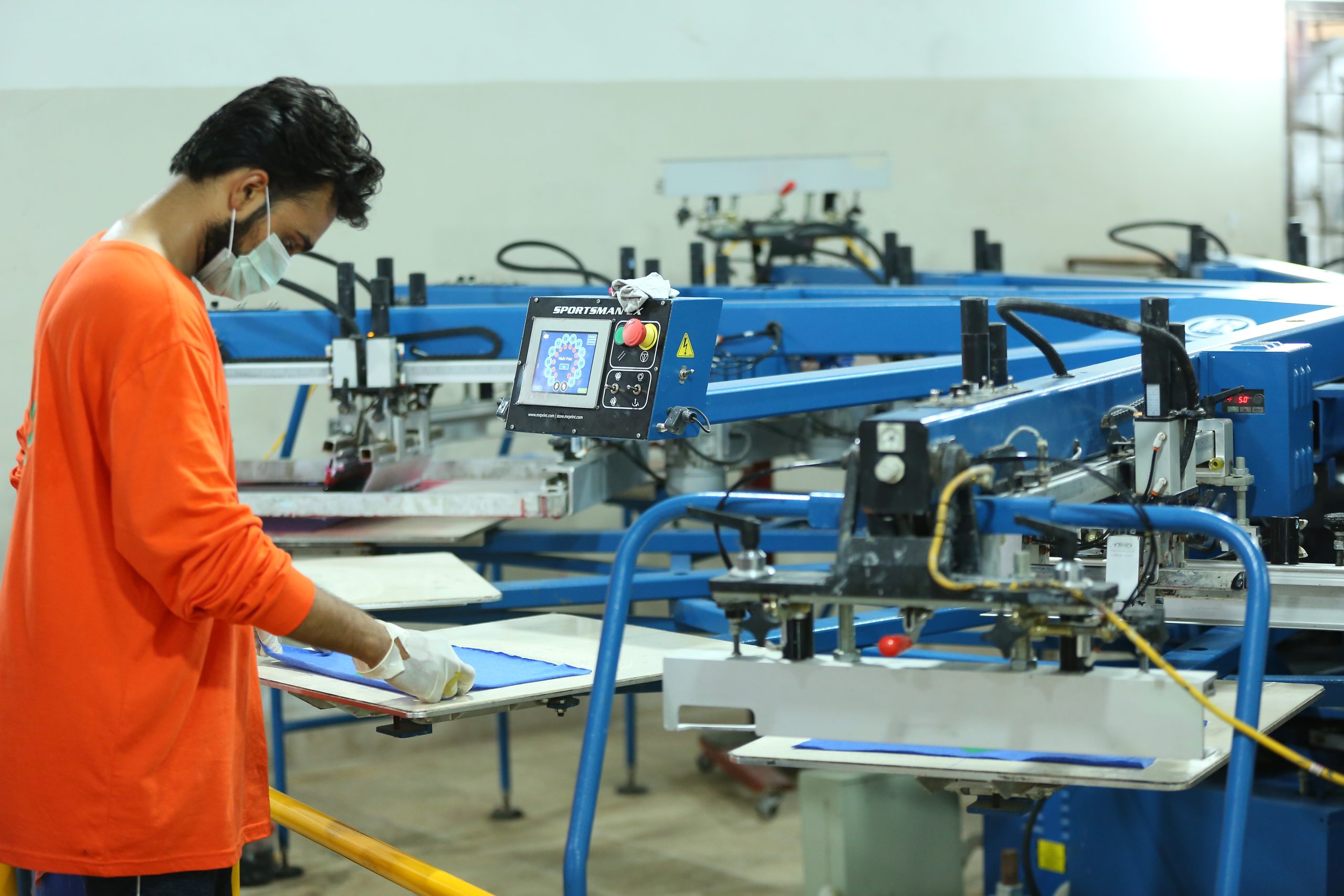
As of early 2026, the industry has seen a visible decline in the export of raw yarn and basic grey cloth—commodities that once defined the sector but offered low margins. Instead, the current year has been characterized by a surge in value-added products, with knitwear and ready-made garments now accounting for over half of the total textile export basket. This transition is largely due to the realization that competing on price alone against regional rivals is no longer a sustainable strategy. By moving up the value chain, Pakistani exporters are successfully capturing a larger share of the premium retail markets in Europe and North America.
Sustainability as a Competitive Edge
Furthermore, the industry’s obsession with “Green Growth” has become its primary competitive edge in 2026. Following international audits in 2025 that highlighted environmental gaps, many firms have evolved into a premier sustainable garments manufacturer on the global stage. This evolution is backed by tangible infrastructure, such as Zero Liquid Discharge plants that recycle nearly all production water and the widespread adoption of blockchain-based traceability. Buyers can now scan a QR code on a garment to track its journey from the Punjabi cotton farms to the solar-powered spinning mills, ensuring compliance with the increasingly strict global regulations regarding ethical production.
Navigating Modern Economic Hurdles
Despite these advancements, 2026 is not without its hurdles, as the cost of doing business remains a primary concern for many stakeholders. Minimum wage increases and high interest rates have made the margin for error thinner than ever before. Additionally, geopolitical tensions continue to cause occasional disruptions in shipping routes, leading to freight cost spikes that challenge profit margins. However, the overall outlook remains optimistic because the industry has abandoned its reliance on government subsidies in favor of innovation and environmental stewardship.
Future Outlook for the Sector
Pakistan’s textile sector is no longer just a source of cheap fabric; it is becoming a sophisticated, high-tech partner for the world’s leading fashion brands. The transition toward synthetic blends and technical textiles is expected to continue throughout the remainder of the year, further diversifying the export portfolio. By weaving a future that is as durable as its products, the industry is setting a new standard for industrial growth in South Asia, proving that even the most traditional sectors can thrive through modernization and sustainable practice.

No comment yet, add your voice below!