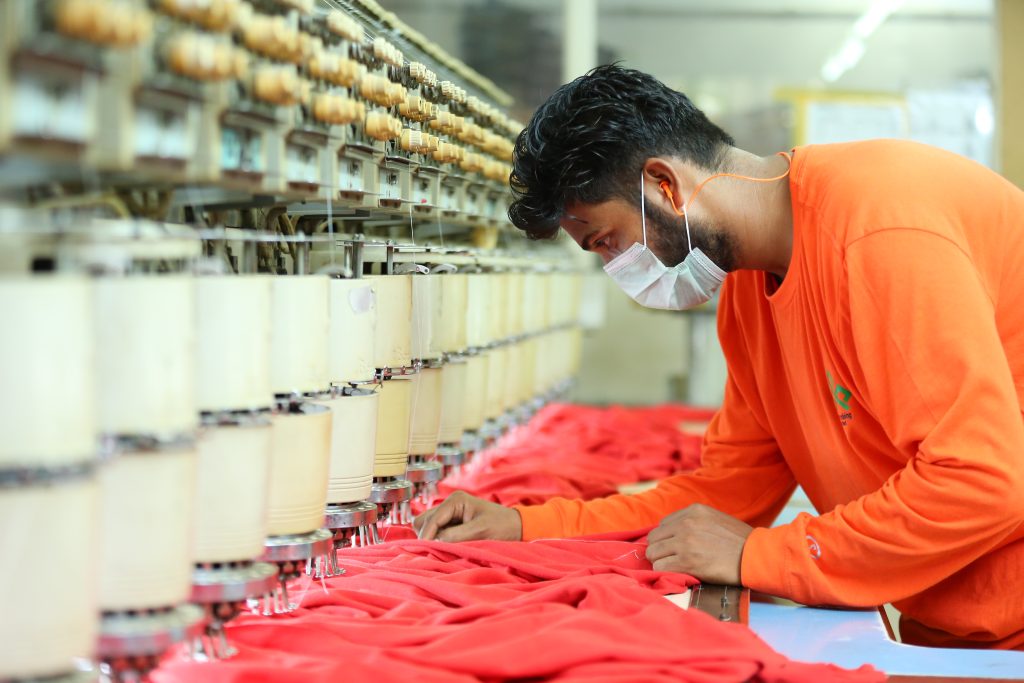

The Pakistan Accord 2026: Why Compliance is the New Gold Standard for Textile Exports
Pakistan Accord

In the competitive landscape of global textiles, “Made in Pakistan” is undergoing a significant transformation. At the heart of this shift is the Pakistan Accord on Health and Safety in the Textile and Garment Industry.

With the recent renewal of the agreement on January 1, 2026, the Accord has solidified its role as a legally binding framework that safeguards over 550,000 workers across 474 factories. For manufacturers and exporters, adding “Accord Compliance” to your certification portfolio is no longer an option—it is a competitive necessity.

1. The 2026 Renewal: A Four-Year Roadmap

The Pakistan Accord was officially renewed at the start of 2026 with the backing of over 130 global brands and retailers, including giants like H&M, Inditex, and Adidas. This renewed agreement is set to run through December 2026 and will automatically extend until December 2029.

This long-term commitment provides a stable environment for suppliers to invest in “life-saving factory improvements,” which in turn reinforces brand confidence in responsible sourcing from Pakistan.

2. Beyond Safety: The Economic Impact

Compliance is directly linked to growth. According to the International Accord, the export value of signatory brands in Pakistan increased by nearly 25% in just two years.

  • Market Access: Compliance ensures continued access to EU markets under the GSP Plus status, where labor and environmental standards are strictly monitored.
  • Buyer Confidence: Major retailers now prioritize “Accord Covered” facilities to mitigate ESG (Environmental, Social, and Governance) risks.

3. The Pillars of Accord Certification

To claim compliance, a factory must navigate a rigorous, phased approach focused on four critical areas:

  • Independent Inspections: Specialist engineers conduct fire, electrical, and structural assessments. To date, over 350 initial inspections have been completed across Karachi, Lahore, and Faisalabad.
  • Corrective Action Plans (CAP): Factories must remediate identified hazards—such as removing lockable exit gates or installing fire detection systems—to maintain their status.
  • Safety Training: Extensive workplace programs educate both management and workers on evacuation protocols and safety rights.
  • Complaints Mechanism: A safe, independent channel for workers to report hazards without fear of reprisal.

4. How to Feature the Accord in Your Portfolio

If you are a manufacturer or a digital strategist representing one, here is how to professionally reference this status:

  • Verified Status: Only use official terminology such as “Pakistan Accord Covered Facility” or “CAP Compliant” based on your current inspection reports.
  • Transparency: Link your digital profile to the International Accord’s Interactive Map, which publicly lists the status of covered factories.
  • ESG Reporting: Highlight your participation in “Technical Workshops”—over 120 suppliers participated in specialized safety sessions in early 2026 alone.

Conclusion: A Safer, Stronger Industry

The Pakistan Accord is more than a safety manual; it is a bridge to the future of global trade. By committing to these standards, Pakistani exporters are not just protecting lives—they are securing their place at the forefront of the international textile market.

References & High-Authority Sources

  • International Accord (2026): Updates on Programs in Pakistan: Renewed Agreement and Factory Coverage. Source
  • International Labour Organization (ILO) (2026): Promoting Responsible Business Practices in Pakistan’s Textile Supply Chain. Source
  • Just Style (2026): Brands and Unions Renew Pakistan Accord Through 2029. Source
  • Pakistan Ministry of Commerce (2026): Strategic Dialogue on Value-Added Textile Export Growth. Source

Weaving Through Volatility: Pakistan’s Textile Resurgence in a Changing World
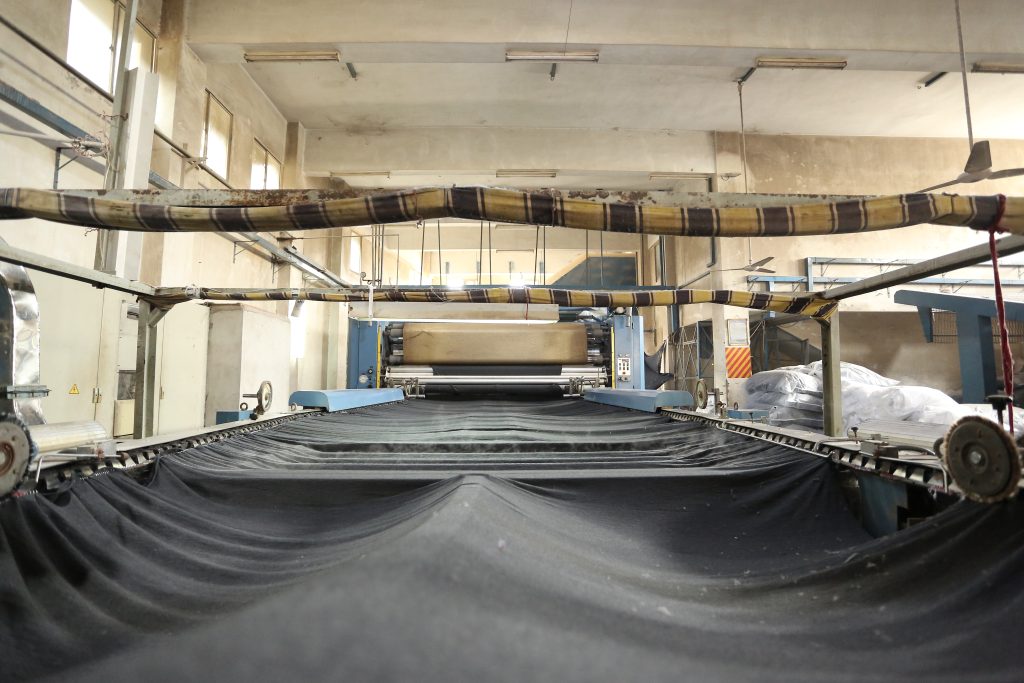
The year 2026 finds Pakistan’s textile industry—the undisputed backbone of the national economy—at a fascinating crossroads. Accounting for roughly 60% of the country’s total exports, the sector is no longer just about spinning yarn; it is about thriving amidst a global landscape that is shifting faster than a high-speed loom.

The Global Context: A Shift Toward ‘Value and Virtue’

On the world stage, the rules of the game have changed. We are seeing a massive global pivot toward two major pillars: Sustainability and Supply Chain Traceability.

As European and North American regulators tighten environmental standards, the “fast fashion” era is being replaced by a demand for “conscious fashion.” For any fabric manufacturing company USA-based brands choose to partner with, a digital trail is now a requirement. Global buyers want to know exactly which farm the cotton came from and whether the factory used renewable energy.

Furthermore, geopolitical shifts and the “China Plus One” strategy have forced retailers to diversify. This has created a unique opening for Pakistan to step up as a reliable, high-quality alternative for those seeking a custom fabric manufacturer USA companies can trust for both quality and ethical compliance.

Pakistan’s Modernization: Beyond the Basic Thread

Domestically, Pakistan has responded to these global pressures with a remarkable shift toward Value-Added Products. The industry is surging in the production of:

  • Technical Textiles: Fabrics designed for performance, such as moisture-wicking athleisure.
  • Green Manufacturing: To combat rising energy costs, many mills have integrated industrial-scale solar arrays and Zero Liquid Discharge (ZLD) plants.
  • Customization: Moving beyond bulk commodities to offer specialized, bespoke textile solutions for international designers.

The Challenges of 2026

It isn’t all smooth weaving. The industry currently faces a “triple threat”:

  1. High Input Costs: Rising energy tariffs make margins thinner than ever.
  2. Global Protectionism: Navigating reciprocal tariffs in key markets requires constant innovation.
  3. The Automation Race: With AI-driven quality control becoming the norm, Pakistani manufacturers are racing to digitize their shop floors to stay competitive.

Partnering for the Future: AM Group of Companies

In this high-stakes environment, leadership comes from those who can bridge the gap between traditional craftsmanship and modern technology. AM Group of Companies stands as a prime example of this evolution.

With over two decades of experience, AM Group has established itself as a premier textile manufacturer delivering high-performance fabrics and garments for the global market. Their commitment to excellence—from sustainable sourcing to precision manufacturing—aligns perfectly with the 2026 global demand for ethical production.

As a versatile partner, they function with the precision of a top-tier fabric manufacturing company USA clients rely on, while offering the flexibility of a custom fabric manufacturer USA brands need for specialized collections. As Pakistan navigates the complexities of the global textile market, AM Group of Companies is leading the charge into a sustainable, tech-driven tomorrow.

Navigating the Tides: The State of Pakistan’s Textile Industry in 2026
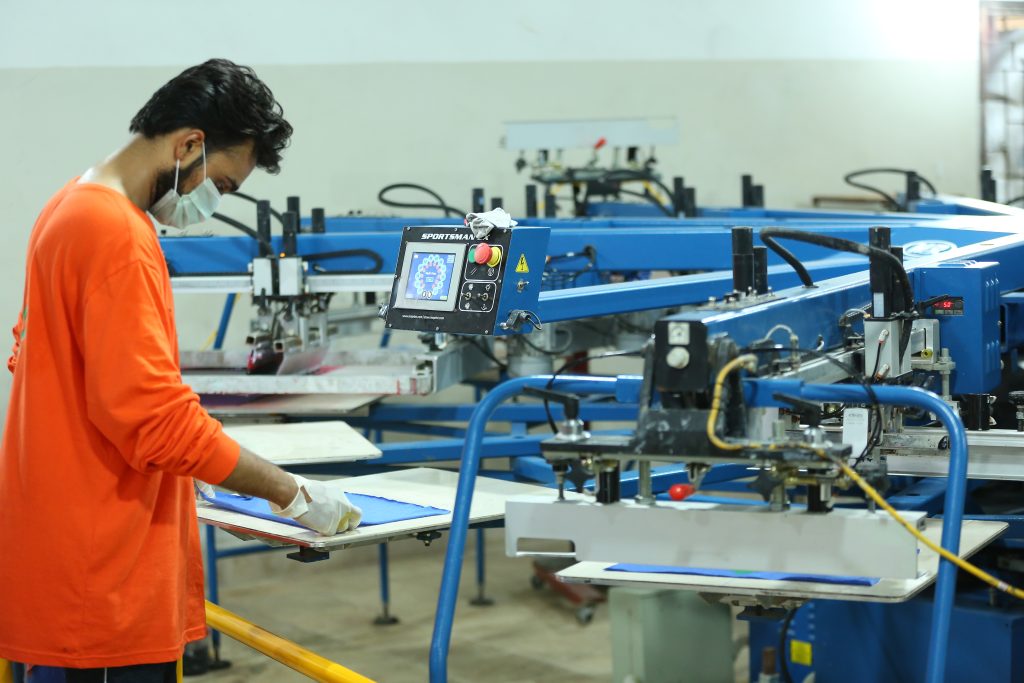
textile manufacturing company

Navigating the Tides: The State of Pakistan’s Textile Industry in 2026

The textile industry has long been the lifeblood of Pakistan’s economy, accounting for a massive portion of the country’s total export earnings. As we progress through 2026, the sector finds itself at a critical crossroads, defined by a shift from the survival tactics of previous years toward a more structured, resilient growth model. While the ghost of 2025’s economic volatility still lingers, a new narrative is emerging—one defined by rapid technological adoption and a decisive pivot toward global environmental standards. To understand the current position, we must analyze how the transformative and often turbulent events of 2025 reshaped the landscape for every textile manufacturing company operating within the region.

The 2025 Catalyst: Lessons in Resilience

The year 2025 acted as a catalyst for change, marked by record-high energy tariffs and a fluctuating currency that forced a massive migration toward efficiency. During that period, the industry faced a “triple threat” of rising costs, a local cotton deficit, and a global shift in consumer behavior that demanded absolute transparency in supply chains. Many firms responded by integrating industrial-scale solar arrays to bypass the national grid, while the phasing out of previous concessional financing schemes created a liquidity crunch that tested the survival of small-to-medium enterprises. These hardships effectively weeded out inefficient practices, leaving behind a sector that is now leaner and more focused on long-term viability.

Value Addition and the Shift to Apparel

As of early 2026, the industry has seen a visible decline in the export of raw yarn and basic grey cloth—commodities that once defined the sector but offered low margins. Instead, the current year has been characterized by a surge in value-added products, with knitwear and ready-made garments now accounting for over half of the total textile export basket. This transition is largely due to the realization that competing on price alone against regional rivals is no longer a sustainable strategy. By moving up the value chain, Pakistani exporters are successfully capturing a larger share of the premium retail markets in Europe and North America.

Sustainability as a Competitive Edge

Furthermore, the industry’s obsession with “Green Growth” has become its primary competitive edge in 2026. Following international audits in 2025 that highlighted environmental gaps, many firms have evolved into a premier sustainable garments manufacturer on the global stage. This evolution is backed by tangible infrastructure, such as Zero Liquid Discharge plants that recycle nearly all production water and the widespread adoption of blockchain-based traceability. Buyers can now scan a QR code on a garment to track its journey from the Punjabi cotton farms to the solar-powered spinning mills, ensuring compliance with the increasingly strict global regulations regarding ethical production.

Navigating Modern Economic Hurdles

Despite these advancements, 2026 is not without its hurdles, as the cost of doing business remains a primary concern for many stakeholders. Minimum wage increases and high interest rates have made the margin for error thinner than ever before. Additionally, geopolitical tensions continue to cause occasional disruptions in shipping routes, leading to freight cost spikes that challenge profit margins. However, the overall outlook remains optimistic because the industry has abandoned its reliance on government subsidies in favor of innovation and environmental stewardship.

Future Outlook for the Sector

Pakistan’s textile sector is no longer just a source of cheap fabric; it is becoming a sophisticated, high-tech partner for the world’s leading fashion brands. The transition toward synthetic blends and technical textiles is expected to continue throughout the remainder of the year, further diversifying the export portfolio. By weaving a future that is as durable as its products, the industry is setting a new standard for industrial growth in South Asia, proving that even the most traditional sectors can thrive through modernization and sustainable practice.

The 2026 Sourcing Strategy: Why “Certainty” is the New Priority
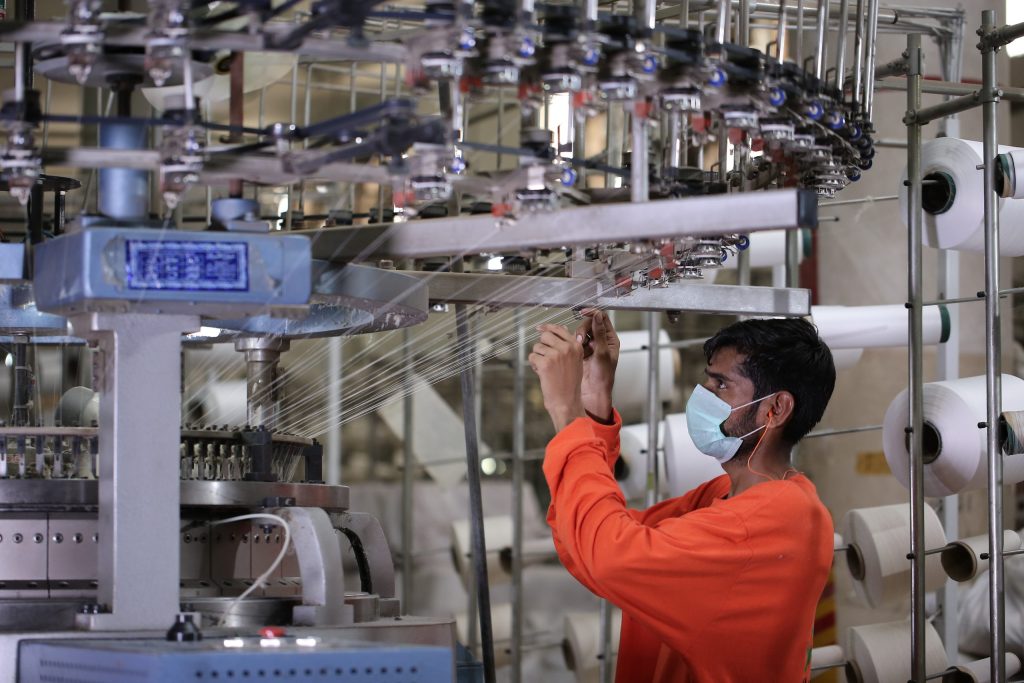
As we stand in late December 2025, the global fashion industry is no longer just “hoping” for a smoother year. We are actively building one. For nearly a decade, the mantra of global sourcing was simple: find the lowest unit cost. However, as we look toward the 2026 production cycles, that old playbook has been thrown out.

In 2026, the most valuable currency in the supply chain isn’t the dollar—it’s certainty.

From unpredictable tariff hikes to the sudden enforcement of the EU’s Digital Product Passport (DPP), brands are realizing that a “cheap” garment is incredibly expensive if it arrives six weeks late or fails a customs audit. This shift is fundamentally changing how brands choose their partners. Whether you are a boutique label or a global retailer, your success in the coming year depends on moving from transactional buying to strategic, certain partnerships.

The Shift from “Cheapest” to “Certain” in 2026

For years, procurement teams focused on “chasing the needle”—moving production to whichever country had the lowest labor costs at that moment. But 2025 proved that this model is fragile. Between the “Red Sea” logistics crisis and the “China Plus One” movement reaching its peak, the hidden costs of instability have surpassed the savings of low-cost labor.

In 2026, “Certainty” means three things:

  1. Lead Time Reliability: Knowing the goods will be on the shelf for the season launch.
  2. Regulatory Compliance: Ensuring every thread meets new, strict sustainability laws.
  3. Price Stability: Protecting margins against sudden currency or tariff swings.

The Three Pillars of Sourcing Certainty for 2026

To achieve this level of stability, fashion leaders are focusing on three critical areas of their supply chain.

1. Navigating the New Geopolitical Trade Map

The trade environment of 2026 is a patchwork of new agreements and “re-negotiations.” With the USMCA review and shifting tariffs in South Asia, brands are diversifying their manufacturing footprints. It is no longer enough to have a “backup” factory. Brands are now building “dual-track” supply chains where production is split between regional hubs to ensure that if one route is blocked, another remains open.

2. Mastering EU Compliance and the Digital Product Passport

If you are selling into Europe in 2026, transparency is no longer optional. The Digital Product Passport (DPP) requires brands to provide data on every step of a garment’s life—from raw fiber to the retail floor. This is where your choice of a textile manufacturing company becomes a make-or-break decision. You need a partner who has already digitized their data and can provide “audit-ready” transparency at the click of a button.

3. Climate Resilience and Supply Chain Protection

Climate volatility is no longer a “future risk.” It is an itemized expense. In 2026, leading manufacturers are investing in “climate-hardened” facilities—factories with their own renewable energy grids and water recycling systems. This ensures that even during local utility shortages or extreme weather events, your production line never stops moving.

How a Leading Textile Manufacturing Company Delivers Stability

The foundation of any garment is the fabric. In the past, brands would buy fabric from one vendor and send it to another for sewing. In 2026, this fragmented approach is too risky. A modern textile manufacturing company like AM Group provides vertical integration. By controlling the spinning, weaving, and finishing under one roof, we eliminate the “middleman” delays that often plague fragmented supply chains.

Vertical integration provides a “buffer” against market shocks. When raw cotton prices fluctuate or shipping lanes are congested, a vertically integrated partner can shift schedules internally to maintain your delivery dates. This level of control is the only way to guarantee the “Certainty” that the 2026 market demands.

Technology: The Digital Backbone of Certainty

One of the biggest breakthroughs in 2026 is the widespread use of AI-driven forecasting and 3D prototyping. In the old world, a brand would wait weeks for a physical sample to arrive by mail, only to find the fit was wrong.

Today, we use 3D design tools to simulate fit and drape instantly. This doesn’t just save time; it eliminates the waste of physical sampling. When combined with AI tools that predict demand, brands can “buy tighter”—ordering smaller batches upfront and only increasing production once they see what is selling. This “agile” model is the ultimate insurance policy against the overstock and markdowns that hurt profits in 2025.

Choosing the Right Garment Manufacturing Company for SS26 and Beyond

As you plan your Spring/Summer 2026 collections, the criteria for selecting a garment manufacturing company have evolved. While quality and price remain important, you must also ask:

  • Do they have regional diversification? Can they ship from multiple hubs to avoid regional tariffs?
  • Are they “Data-Ready”? Can they provide the traceability data required for the new EU and US regulations?
  • What is their “Speed-to-Market” record? Can they replenish a “hit” item in 3 weeks rather than 8?

In 2026, the best garment manufacturing company is the one that acts as a consultant, not just a contractor. They should be helping you navigate the complexities of modern trade rather than just waiting for your tech packs.

Conclusion: Future-Proofing Your Brand

The theme for 2026 is “Redirection.” We are redirecting our focus away from the lowest possible price and toward the highest possible reliability. The brands that will lead the market are those that recognize that “Certainty” is the ultimate competitive advantage. By partnering with manufacturers who prioritize vertical integration, technological transparency, and regional agility, you can ensure that your brand remains resilient, no matter what the global economy throws your way.

Ready to secure your 2026 production? At AM Group of Companies, we have spent the last year upgrading our facilities and digital infrastructure to meet the “Certainty” mandate of 2026. From sustainable textile production to high-speed garment assembly, we are your partner in stability.

Winter-Ready Fabrics: How a Custom Fabric Manufacturer and Expert Fabric Embroidery Services Create Holiday Collections

fabric embroidery services

Why Winter Fabrics and Embroidery Matter for Holiday Collections

The winter and holiday season is when fashion brands bring out their most detailed, textured, and premium-looking pieces. From cozy sweaters to embroidered jackets, customers expect both comfort and style. That’s why brands rely on two essential partners: a custom fabric manufacturer who can create the right winter materials, and professional fabric embroidery services that add a festive, luxurious touch.

As trends shift toward textured fabrics, metallic accents, and elegant embellishments, manufacturers that offer both fabric development and embroidery under one roof are becoming even more valuable. For many international brands, this combination leads to faster production, consistent quality, and collections that truly stand out during the most competitive shopping season of the year.

What Winter-Ready Fabrics Mean in 2025

Winter fashion is all about warmth, durability, and comfort—yet modern consumers also want visually appealing fabrics with rich textures. In 2025, winter-ready materials are being designed with both performance and design trends in mind.

Key Winter Fabrics Trending This Season

  1. Brushed Fleece & Thermal Knits
    Brands love these options because they keep the body warm without adding excess weight. Brushed fleece is perfect for hoodies, joggers, and casual winter sets.
  2. Wool and Wool Blends
    A classic winter staple. Wool blends are ideal for coats, outerwear, cardigans, and scarves. They offer natural warmth and pair beautifully with embroidery for premium looks.
  3. Textured Knits and Jacquards
    Holiday collections often use fabrics with unique textures such as cable knits, rib knits, and jacquard patterns. These fabrics give garments a rich, festive appearance.
  4. Velvet and Velour
    Soft, festive, and perfect for embroidery accents, velvet has made a strong comeback in holiday fashion.

Why Custom Fabric Manufacturing Gives Brands an Edge in Winter Collections

Working with a custom fabric manufacturer gives brands complete control over:

  • Fabric weight and thickness

  • Custom colors for holiday themes

  • Special finishes like brushing, anti-pilling, and softening

  • Durability and shrinkage testing

  • Bulk consistency for large orders

This level of customization ensures that every garment performs well in winter conditions while maintaining a premium look.

When timelines are tight—especially during holiday seasons—custom manufacturing also helps brands replicate exact materials from previous years or experiment with new blends for upcoming trends.

The Power of Embellishment — How Fabric Embroidery Services Elevate Holiday Apparel

Winter and holiday designs rely heavily on details. Embroidery is one of the most popular finishing techniques because it adds richness, style, and brand personality. Whether it’s a small logo on a sweater or a full chest design on a jacket, embroidery helps products stand out.

Top Embroidery Styles in Holiday & Winter Wear

  1. Metallic Thread Embroidery
    Perfect for festive drops—gold, silver, and bronze threads add a warm holiday glow.
  2. 3D or Puff Embroidery
    Ideal for streetwear, hoodies, and varsity jackets. This gives designs a raised, premium feel.
  3. Appliqué and Patch Embroidery
    Winter coats, kidswear, and accessories often use appliqué for bold holiday motifs.
  4. Minimalist Logo Embroidery
    Luxury and premium brands often choose clean, subtle logo placements to elevate basics like sweaters and cardigans.

Matching Fabrics and Embroidery Techniques for Better Results

Not all embroidery works on every fabric. A professional manufacturer understands how to combine the right materials and techniques:

  • Fleece and hoodies work best with 3D embroidery or flat stitching.

  • Wool blends need low-density stitching to avoid puckering.

  • Velvet requires softer backing and delicate thread tension.

  • Heavy winter coats need reinforced threads and stable backing.

Great embroidery depends on fabric stability, stitch density, and the right backing material. When brands work with an integrated facility, they get better control over these technical aspects.

Why Brands Prefer One-Stop Solutions for Fabric + Embroidery

Today’s apparel brands face pressure to deliver high-quality collections quickly—especially around winter and holiday seasons. Working with separate vendors for fabric and embroidery can slow down the process.

1. Faster Lead Times with Integrated Production

When fabric manufacturing, dyeing, cutting, and embroidery happen in the same facility, brands save weeks on coordination and logistics.

2. Reduced Risk and Higher Quality Control

Working with multiple suppliers increases the chance of mismatched colors, fabric inconsistencies, or embroidery errors. One-stop production keeps the entire process aligned.

3. Cost-Efficiency for Seasonal Drops and Limited Editions

Holiday collections often include smaller batches or several design variations. Integrated production reduces overhead costs and minimizes waste.

For brands targeting the USA and European markets—where quality, consistency, and delivery timelines are critical—this approach has become a major competitive advantage.

How AM Group of Companies Delivers World-Class Winter Fabrics & Embroidery

AM Group stands out as a trusted partner for apparel brands around the world, especially during high-demand winter seasons. With decades of experience and certified production standards, the company delivers both custom fabric manufacturing and premium fabric embroidery services in one streamlined process.

Custom Fabric Manufacturing Capabilities

AM Group provides:

  • Custom GSM (fabric weight) development

  • Winter-friendly blends and thermal knits

  • Custom color matching for holiday themes

  • Fabric dyeing, softening, and anti-pilling treatments

  • Shrinkage, durability, and quality testing

This ensures brands receive fabric that not only looks great but also performs well in cold-weather conditions.

Professional Fabric Embroidery Services

Their advanced embroidery department offers:

  • Flat embroidery

  • 3D / puff embroidery

  • Patch and appliqué embroidery

  • Metallic and specialty threads

  • Bulk embroidery with tight quality control

Using modern machinery and skilled technicians, AM Group guarantees consistency—even across large production runs.

Certifications & Global Standards

AM Group holds globally recognized certifications including:

  • WRAP Principles

  • FLA SCI Assessment

  • C-TPAT Standard

These certifications assure international buyers—especially in the USA—that the company follows ethical, safe, and compliant manufacturing practices.

Final Tips for Brands Planning Winter/Holiday Collections

If you’re planning a winter or holiday collection for 2025 and beyond, here are a few smart steps:

  • Start planning fabric selection early

  • Choose materials that offer both warmth and style

  • Work with certified suppliers for peace of mind

  • Prefer integrated facilities for fabric + embroidery

  • Test samples for comfort, durability, and stitch quality

A strong production partner is the key to a smooth and successful holiday launch.

Elevate Your Winter Collection with AM Group

Winter and holiday lines demand the perfect balance of warmth, comfort, and festive detailing. By choosing a reliable custom fabric manufacturer with in-house fabric embroidery services, brands can create standout collections that customers love—while staying on schedule and maintaining consistent quality.

AM Group of Companies offers everything your brand needs to produce world-class winter apparel, from fabric development to detailed embroidery work.

The Art of Detailing: How Embroidery Elevates Everyday Fashion
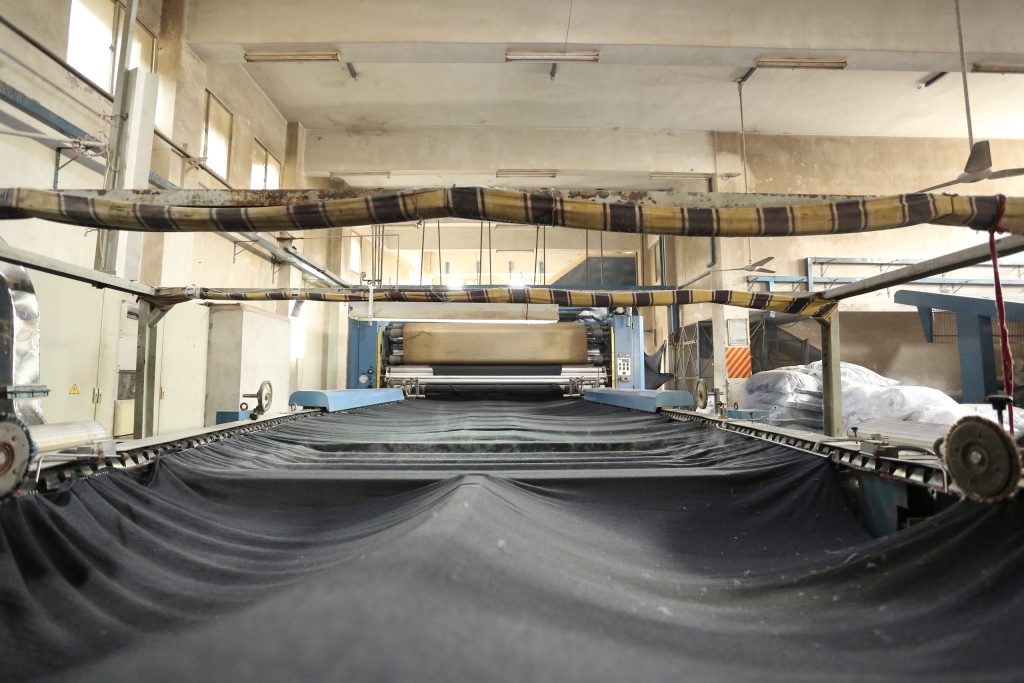
How Embroidery Elevates Everyday Fashion

Introduction

Let’s be honest—sometimes the smallest details make the biggest difference. You could have a plain cotton dress, a simple denim jacket, or a classic tunic. But the moment you add embroidery? Boom. It’s transformed into something stylish, elegant, and totally unique.

Embroidery has been around for centuries, and it’s still going strong in modern fashion. From high-end couture to streetwear, brands are using embroidered details to add texture, luxury, and character to their pieces. But have you ever thought about how embroidery actually becomes part of our everyday clothes? Behind the scenes, it takes the right garment company and skilled fabric embroidery services to bring those details to life.

This blog breaks down why embroidery matters, how it’s made, and why it continues to be one of the most beloved art forms in fashion.

1. Why Embroidery Feels So Special

Embroidery isn’t just decoration—it’s storytelling. Every stitch carries tradition, craftsmanship, and creativity. While prints and patterns can be mass-produced, embroidery adds a sense of authenticity.

Think about it: embroidered flowers on a kurta, initials on a dress shirt, or bold logos on sportswear. Each one adds individuality and texture that no screen print can replicate. It’s one of the oldest ways humans have used fabric as a canvas for art, and fashion still leans on it today to stand out.

2. Everyday Fashion Meets Timeless Craft

Most people associate embroidery with traditional wear or luxury garments, but it’s everywhere in casual clothing too. You’ll find it on:

  • Denim jackets with embroidered patches.
  • T-shirts with small stitched logos.
  • Caps with detailed patterns.
  • Dresses with delicate floral designs.

What’s cool is how embroidery blends timeless craft with everyday practicality. It makes even simple outfits look polished, while still being wearable for daily life.

3. The Role of Garment Companies in Embroidery

So who actually brings embroidery into fashion? That’s where a garment company comes in. They’re the ones who design, produce, and integrate embroidery into clothing collections.

A reliable garment company doesn’t just add embroidery randomly. They study the design, choose the right fabrics, and decide whether the embroidery should be hand-stitched or machine-stitched. They also think about durability—because nobody wants embroidery that unravels after one wash.

Garment companies often collaborate closely with embroidery experts to make sure the designs look stunning without compromising comfort or wearability.

4. Fabric Embroidery Services: The Experts Behind the Magic

If garment companies are the architects, fabric embroidery services are the skilled builders. These services specialize in bringing detailed designs to life on fabric. Depending on the style, embroidery can be:

  • Hand Embroidery – Traditional and time-consuming, but incredibly unique.
  • Machine Embroidery – Faster and more consistent, perfect for large-scale production.
  • Computerized Embroidery – Uses advanced software to create precision designs, making logos and patterns super accurate.

Fabric embroidery services also handle technical aspects, like choosing the right threads (cotton, silk, metallic) and making sure the stitches don’t damage delicate fabrics. Their expertise ensures embroidery not only looks good but lasts long.

5. Embroidery Around the World

Embroidery isn’t the same everywhere—it reflects the culture and traditions of different regions:

  • India & Pakistan – Known for intricate hand embroidery like zari, chikankari, and mirror work.
  • Middle East – Bold, luxurious embroidery often paired with flowing fabrics.
  • China – Famous for silk embroidery with colorful, detailed motifs.
  • Europe – Heritage styles like cross-stitch and lace embroidery.

Today, global brands mix these traditional techniques with modern designs to create pieces that resonate worldwide. Embroidery is both fashion-forward and culturally rooted.

6. Why Brands Love Embroidery Today

There are so many reasons fashion brands still love embroidery, even in the era of digital prints:

  • Durability – Embroidery doesn’t fade like prints.
  • Luxury Appeal – It instantly elevates a garment.
  • Customization – Brands can offer personalized embroidery (like initials or logos).
  • Trend Adaptability – From minimalist stitches to bold statement embroidery, it works in any style.

This versatility makes it a must-have for fashion collections.

7. Embroidery and Sustainability

Here’s an interesting angle: embroidery is also linked to sustainability. Instead of throwing away plain clothes, people now add embroidery to refresh and upcycle them. Brands, too, are embracing embroidered patches and detailing as part of their eco-friendly collections.

Embroidery adds value to garments, making people less likely to discard them after a few wears. It’s fashion that lasts longer—both in quality and style.

8. How Technology Changed Embroidery

While hand embroidery will always have its charm, technology has transformed the industry. Computerized machines can now produce incredibly detailed designs in a fraction of the time. This helps garment companies scale embroidery work for mass production while maintaining precision.

Still, the human touch is irreplaceable. Many luxury and heritage brands mix machine embroidery with hand finishing to keep that authentic, artisanal feel.

9. Case Studies (General Examples)

  • Luxury Labels – Use hand embroidery with metallic threads and beads for high-end gowns.
  • Streetwear Brands – Add embroidered logos and slogans to stand out from screen-printed tees.
  • Sportswear Brands – Depend on embroidery for durable logos that won’t peel off during workouts.
  • Fast Fashion – Use machine embroidery for affordable detailing across huge product runs.

The takeaway? No matter the brand, embroidery adds value in its own unique way.

10. The Emotional Factor

Here’s the real kicker: embroidery feels personal. A stitched name on a jacket, a delicate design passed down in cultural clothing, or even an embroidered patch from your favorite band—it creates an emotional connection. That’s something mass-printed designs just can’t compete with.

Fashion is about self-expression, and embroidery amplifies that voice.

Conclusion: The AM Group of Companies Advantage

Embroidery isn’t just decoration—it’s art, heritage, and innovation stitched into the fabric of our lives. Whether it’s bold or subtle, handmade or machine-crafted, embroidery has the power to transform clothing from ordinary to extraordinary.

For brands looking to incorporate embroidery at scale, partnering with the right experts is essential. A reliable garment company combined with skilled fabric embroidery services can ensure designs that are durable, fashionable, and true to brand identity.

That’s where AM Group of Companies steps in. With years of experience in garment production and a deep understanding of embroidery techniques, they help fashion brands elevate their collections with quality and precision. Because in the end, it’s not just about the clothes we wear—it’s about the details that make them unforgettable.

How Global Apparel Brands Ensure Quality and Reliability in Their Supply Chain
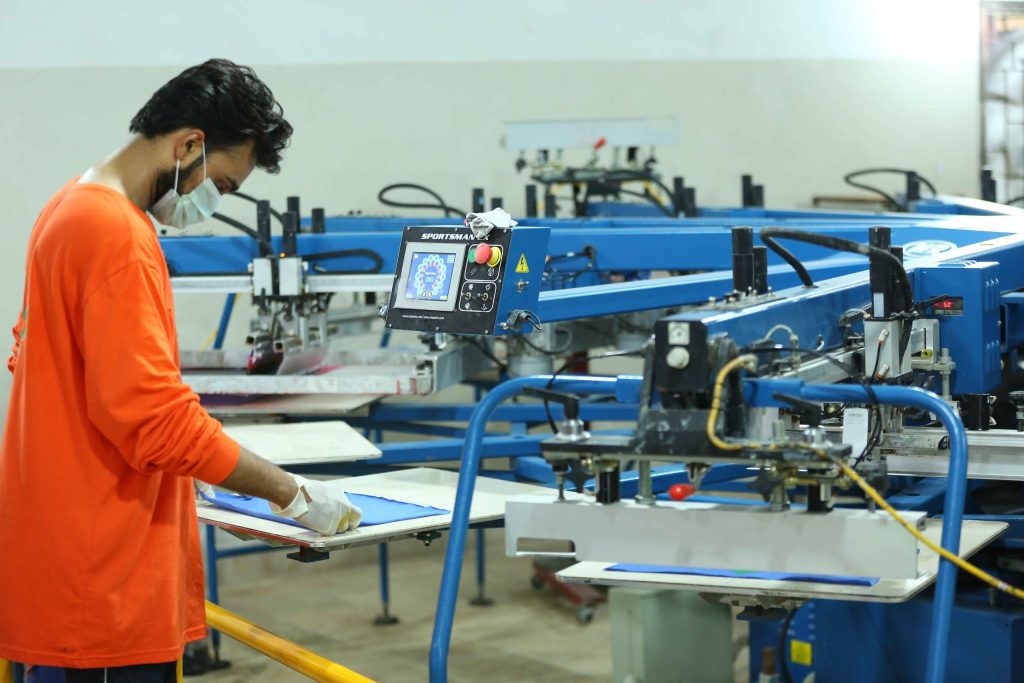
garments manufacturer

Introduction

When you buy a shirt from your favorite clothing brand, you probably don’t think much about the complex journey that piece of clothing went through before reaching the store. Behind every stylish outfit lies a network of suppliers, manufacturers, and quality checks that ensure the end product meets your expectations. For global apparel brands, maintaining quality and reliability isn’t optional—it’s survival. And a lot of that comes down to working with the right partners, like a trusted textile company in the USA or a certified garments manufacturer overseas.

Let’s walk through how big and small apparel brands build supply chains that actually work and keep customers coming back for more.

1. Why Quality Matters More Than Ever

Think about it—fashion has become insanely competitive. You’ve got fast fashion brands pumping out new looks every week and luxury labels holding their ground with timeless craftsmanship. For customers, quality is everything. Nobody wants to spend money on clothes that fade, shrink, or fall apart after a couple of washes.

This is where quality control across the supply chain comes into play. From fabric sourcing to stitching to final inspections, brands can’t afford slip-ups. One bad batch of products can damage their reputation instantly.

2. The Role of Textile Companies in the USA

For many global brands, a textile company USA plays a critical role in the process. Why? Because U.S.-based companies are known for strict compliance with regulations, transparent business practices, and high-quality fabric production. Working with them helps brands build credibility while ensuring consistency.

Plus, having suppliers in the USA means shorter lead times for North American markets. When trends move fast, being able to deliver quickly is a massive advantage. Many brands choose to source specialty fabrics, technical textiles, or sustainable materials from U.S. textile firms to guarantee a premium feel in their collections.

3. Why Certifications Matter in Garment Manufacturing

Ever wondered why some clothes just feel more trustworthy? That often comes down to who made them. A certified garments manufacturer goes through strict audits and compliance checks to prove they meet international standards. Certifications like WRAP, ISO, or BSCI show that the company cares about both product quality and ethical practices.

For global apparel brands, certifications are non-negotiable. They want suppliers who follow labor laws, provide safe working conditions, and maintain consistent quality across large orders. By working with certified partners, they minimize risks and build a more reliable supply chain.

4. Balancing Cost, Quality, and Speed

One of the biggest challenges apparel brands face is balancing three key things:

  • Cost – Keeping prices competitive without sacrificing quality.

  • Quality – Ensuring garments last and meet brand standards.

  • Speed – Delivering products fast enough to keep up with fashion trends.

The trick is finding suppliers who can juggle all three. That’s why partnerships with the right textile and garment companies matter so much. A supplier that delivers high-quality fabric but takes too long might not work for a fast-fashion brand, while luxury brands might prioritize quality above all else.

5. Sustainability and Ethical Sourcing

Customers today care about where their clothes come from. They ask: Was this made sustainably? Were workers treated fairly? For brands, these questions aren’t just about marketing—they’re about survival.

Textile companies in the USA are often leaders in sustainable fabric innovations, from organic cotton to recycled polyester. At the same time, certified garment manufacturers worldwide are focusing on fair labor practices and eco-friendly production. Together, they help brands build supply chains that align with modern values.

6. Building Long-Term Supplier Relationships

Global apparel brands don’t just pick suppliers randomly; they invest in long-term partnerships. Why? Because trust and consistency matter. When a brand finds a supplier that can deliver on time, meet quality standards, and adapt to new trends, they stick with them.

Strong relationships also mean better collaboration. Brands can work closely with suppliers to develop new fabrics, improve efficiency, and innovate designs. That’s something you can’t get if you’re constantly switching suppliers.

7. Technology in Supply Chain Management

In today’s digital age, technology has transformed how supply chains operate. Brands now use advanced software to track every stage of production, from raw materials to final delivery. Real-time data helps them identify issues quickly and fix them before products reach the market.

Suppliers, too, are investing in automation, AI-driven quality checks, and sustainable production technologies. A modern certified garments manufacturer will often have digital systems in place to maintain accuracy, consistency, and transparency.

8. Case Study Examples (General)

  • Luxury Brands – Often partner with certified suppliers for custom fabrics and perfect craftsmanship. Their priority is precision and quality, even if it takes longer.

  • Fast Fashion Brands – Focus on speed, but still rely on certified partners to maintain consistency across massive orders.

  • Athleisure Brands – Depend on specialty textile companies for performance fabrics that are breathable, stretchable, and durable.

Each type of brand adapts its supply chain strategy, but the common factor is this: trusted suppliers are the foundation of success.

Conclusion: The AM Group of Companies Advantage

At the end of the day, the fashion industry is built on trust—trust between brands, suppliers, and ultimately customers. Without reliable suppliers, even the best designs won’t succeed. That’s why working with experienced partners like a textile company USA or a certified garments manufacturer makes all the difference.

For apparel brands looking to scale without compromising on quality, AM Group of Companies stands out as a trusted partner. With a focus on certified production, ethical practices, and premium fabrics, they help brands build strong, sustainable supply chains that deliver results. Because in fashion, quality and reliability are more than just buzzwords—they’re the backbone of every successful brand.

Leveraging Tariff Shifts: How Pakistani Textile Manufacturers Are Attracting U.S. Buyers

Textile Manufacturers

As global sourcing undergoes one of its biggest realignments in decades, textile manufacturers in Pakistan are finding themselves in the spotlight — and for good reason. The U.S.–China trade war, now an enduring policy under multiple U.S. administrations, has pushed American apparel and textile buyers to rethink their long-standing supply chain relationships.

With China facing up to 25% tariffs on many textile categories under Section 301 of the U.S. Trade Act, Pakistan has emerged as a competitive and reliable alternative. From denim and knitwear to towels and sportswear, Pakistani textile exporters are stepping up with quality, compliance, and cost-efficiency — exactly what U.S. buyers are seeking in 2025.

A Snapshot of the Tariff Shift

The U.S.–China tariff battle began in 2018 and remains largely intact, with the Office of the United States Trade Representative (USTR) maintaining tariffs on billions worth of Chinese goods, including textiles and apparel.

These tariffs have significantly increased landed costs for American importers, who are now actively shifting orders to alternative countries — especially those not subject to high U.S. duties.

While many textile manufacturers in the USA continue to play a critical role in product finishing, branding, and warehousing, the high cost of domestic production is pushing brands to explore hybrid sourcing models. In this new mix, Pakistan offers low-cost manufacturing with high-end quality standards — making it a perfect complement to U.S.-based operations.

Pakistan: From Backup Option to Strategic Supplier

While Pakistan has long been part of the global textile value chain, its profile has risen significantly in the last five years. This is driven not only by tariff arbitrage but also by a new generation of manufacturers embracing innovation, sustainability, and reliability.

As highlighted in Dawn News, Pakistani textile exporters are strategically engaging with U.S. buyers by showcasing:

  • Quick lead times
  • Lower MOQs
  • Technical capabilities in performance fabrics and fashion garments
  • Compliance with WRAP, BSCI, GOTS, ISO, and C-TPAT

Industry experts believe the trade shift is not just a short-term detour but a permanent restructuring of how U.S. companies source their textile products.

Growth Backed by Numbers

According to the Pakistan Bureau of Statistics, Pakistan’s textile exports to the U.S. crossed $3.7 billion in FY2023–24, a 6% increase over the previous year.

The most sought-after categories include:

  • Denim and woven bottoms
  • Knitwear and fleece
  • Terry towels and bathrobes
  • Workwear and uniforms
  • Socks and hosiery (with Interloop exporting to Nike and Target)

Large-scale exporters in Karachi, Lahore, and Faisalabad are seeing repeat orders from U.S. buyers who are aiming to reduce dependence on a single country — primarily China.

Building Trust Through Compliance and Capacity

Compliance is no longer an added benefit — it’s a dealbreaker for U.S. brands, especially after several high-profile supply chain scandals globally. Pakistani manufacturers are investing in:

  • Lean manufacturing systems
  • Digitized quality control
  • Third-party audits for labor and environmental safety
  • Certifications like OEKO-TEX and ISO 45001

Many of these companies qualify as Certified Garments Manufacturers, following globally accepted standards in product safety, labor conditions, and sustainability. This credibility is what reassures U.S. importers wary of regulatory and reputational risks.

Sustainability: Pakistan’s New Selling Point

Sustainability is now a front-row priority for U.S. buyers. Eco-conscious brands are demanding:

  • Organic cotton
  • Water-saving dyeing processes
  • Waste reduction
  • Renewable energy usage

Pakistan’s textile sector is embracing this shift. As per Business Recorder, several major mills have:

  • Installed solar panels and energy-efficient boilers
  • Launched wastewater recycling plants
  • Adopted closed-loop chemical systems

These efforts put Pakistan in line with sustainability goals many textile companies in the USA are setting, making it easier for brands to tell an eco-friendly story from mill to shelf.

Diversification Strategy of U.S. Brands

In response to both tariffs and consumer demands, U.S.-based textile companies are executing China+1 or multi-country sourcing strategies. This helps them:

  • Reduce geopolitical and supply chain risks
  • Avoid “all eggs in one basket” vulnerability
  • Qualify for better margins due to tariff relief
  • Stay compliant with the Uyghur Forced Labor Prevention Act (UFLPA)

Pakistan is increasingly part of these backup and lead sourcing plans, offering better turnaround, cleaner supply chains, and strong vendor relationships.

Export Logistics and U.S. Trade Access

Pakistan has improved its logistics infrastructure with:

  • Expanded port capabilities in Karachi and Port Qasim
  • Direct shipping lines to U.S. East and West Coast ports
  • Air freight options for urgent shipments
  • Growing participation in trade shows like Texworld USA and Sourcing at MAGIC

Moreover, under current U.S. trade policies, many Pakistani textile products qualify for zero-duty or reduced-duty access, giving American buyers a significant cost-saving edge.

U.S. Retailers Already Buying from Pakistan

Many U.S. companies have quietly but steadily increased sourcing from Pakistan over the last few years. These include:

  • Nike, Adidas, Puma (through Interloop and Masood Textile Mills)
  • Walmart, Target, and Costco (for home textiles and apparel)
  • Private label Amazon brands sourcing athleisure and loungewear
  • Small-to-mid-sized U.S. apparel startups looking for ethical and flexible suppliers

This shows that Pakistan isn’t just a low-cost alternative — it’s becoming part of the global textile leadership conversation.

Conclusion: AM Group of Companies — A Smart Choice for U.S. Buyers

As tariff shifts continue reshaping global supply chains, one thing is clear: Pakistan’s textile industry is no longer playing catch-up. It’s leading.

At the forefront of this evolution is the AM Group of Companies — a Certified Garments Manufacturer in Pakistan, serving a diverse portfolio of clients across the USA and Europe.

Whether you’re a textile manufacturer in the USA looking to outsource bulk production or an American fashion brand needing a sustainable partner, AM Group is your go-to option.

Why choose AM Group?

  • Full-service vertical manufacturing (knitwear, denim, uniforms, casualwear)
  • Certifications: WRAP, FLA-SCI, C-TPAT
  • Eco-conscious and socially compliant production
  • Flexible MOQs and fast turnaround for U.S. buyers
  • Proven success in supplying the U.S. market for over a decade

Final Word

The global textile map is shifting, and Pakistan is finally getting the recognition it deserves. Tariff realignments are just the beginning — but for those who move fast, the benefits will last for years.

If you’re still sourcing only from China, now’s the time to diversify smartly — and Pakistan, with certified partners like AM Group of Companies, is ready to deliver.

How U.S. Tariffs on China Open New Doors for Pakistani Textile Companies

Textile

In today’s complex global trade landscape, a quiet transformation is underway. As the U.S. government continues to impose hefty tariffs on Chinese goods, including textiles and apparel, American buyers are actively seeking new sourcing destinations. And standing tall in the list of viable alternatives is Pakistan — a country with a rich textile history, world-class production capacity, and increasing global credibility.

This shift presents an unparalleled opportunity for Pakistani textile manufacturers to step up and position themselves as long-term partners for textile company in the USA.

Understanding the U.S.–China Trade Tensions

The origins of the U.S.–China trade conflict go back to 2018, when the Trump administration began imposing high tariffs on hundreds of billions of dollars’ worth of Chinese exports under Section 301 of the Trade Act. These tariffs affected various categories, including fabrics, yarns, garments, and household textiles. As of today, many of those tariffs remain intact under the Biden administration.

The Office of the United States Trade Representative (USTR) continues to evaluate and renew these tariffs, citing economic and national security concerns. The result? Major American textile buyers, brands, and wholesalers are facing rising costs, logistical uncertainty, and compliance challenges — pushing them to reconsider their dependence on China.

Pakistan: A Rising Star in Global Textile Sourcing

Pakistan, the 8th largest exporter of textiles in Asia, is uniquely positioned to fill this gap. Not only does it have competitive labor costs, but it also offers decades of experience in vertically integrated textile manufacturing — from spinning and weaving to stitching and packaging.

What makes Pakistan especially attractive to U.S. textile companies is:

  • Cost-efficiency: Manufacturing costs are significantly lower compared to China and even neighboring countries like India and Bangladesh.
  • Skilled workforce: Pakistan’s textile workforce is highly experienced, particularly in woven and knit apparel.
  • Export-oriented infrastructure: Industrial zones in Karachi, Lahore, Faisalabad, and Sialkot are built with exports in mind.
  • Ease of customization: Smaller MOQs, flexible lead times, and private label manufacturing are standard services.

This has already started to shift the trade tide. According to Dawn News, Pakistan’s textile export leaders have emphasized that the China–U.S. tariff conflict is a historic opportunity for Pakistan to increase its share in the American market.

Data-Backed Growth in U.S.-Bound Exports

Pakistan’s textile exports to the U.S. have shown clear upward trends. As per the Pakistan Bureau of Statistics (PBS), in the fiscal year 2023–24:

  • Pakistan exported $3.7 billion worth of textiles to the United States.
  • Denim and jeans saw a 12% YoY increase, with brands shifting sourcing from East Asia.
  • Home textiles (bedsheets, towels, curtains) continue to dominate the export basket.
  • Knitwear and sportswear categories, fueled by athleisure trends in the U.S., also saw a significant boost.

This shows how U.S. buyers are steadily integrating Pakistan into their long-term sourcing plans, especially in light of rising geopolitical tension and inflation concerns.

Tariffs vs. Trust: Why U.S. Buyers Are Diversifying to Pakistan

Here’s a simple equation many U.S. companies are starting to realize:

Lower tariffs + reliable partners + sustainable practices = long-term sourcing success

Here are three reasons why Pakistan is gaining traction:

1. Tariff-Free Advantage

Unlike China, Pakistan benefits from better trade terms with the U.S., including eligibility for GSP-like arrangements and favorable bilateral ties. This means U.S. importers can avoid heavy duties when sourcing from Pakistan, translating into better profit margins.

2. Reliable Lead Times

While global shipping delays affected all countries post-COVID, Pakistan’s turnaround time remains competitive. Most Pakistani exporters have adapted with direct shipping lines to the U.S. East and West Coasts, especially for high-volume goods.

3. Resilient and Compliant Supply Chains

Pakistan has made significant progress in industrial compliance. Certified factories follow international safety, quality, and labor standards — making them low-risk sourcing partners.

Sustainability Matters More Than Ever

It’s not just about price anymore. U.S. brands are under pressure from both consumers and regulators to ensure their supply chains are ethically and environmentally responsible.

Pakistan is responding strongly.

As reported by Business Recorder, major textile companies in Pakistan are now investing in:

  • Solar-powered production units
  • Water recycling systems
  • Zero-discharge dyeing technologies
  • Fair trade and gender-inclusive labor practices

Companies like Artistic Milliners and Interloop are leading the way with green certifications, making it easier for U.S. companies to meet their ESG commitments without compromising on quality.

Pakistan’s Textile Industry Is Getting Smarter

While traditional manufacturing remains a backbone, Pakistan is also embracing innovation:

  • Digital printing and 3D sampling to reduce waste and improve prototyping time.
  • Blockchain-backed traceability tools to help brands authenticate ethical sourcing.
  • ERP systems and AI-based forecasting for improved inventory management and speed to market.

These smart manufacturing strategies are transforming how global brands perceive Pakistani exporters — not just as cost-cutting partners, but as value creators.

Final Thoughts: A Time to Lead, Not Follow

As global supply chains are restructured and tariffs shape sourcing decisions, Pakistan is no longer just an alternative — it’s a strategic advantage. From pricing and capacity to ethics and sustainability, Pakistan has all the ingredients that modern U.S. buyers are looking for.

This moment calls for action — for U.S. textile importers, and for Pakistani exporters ready to lead.

Spotlight: AM Group of Companies – Your Gateway to the U.S. Market

At the forefront of this opportunity is the AM Group of Companies — a certified and experienced textile manufacturer in the USA that specializes in exporting high-quality garments and textile products to the USA and European markets.

With a commitment to:

  • WRAP-certified production
  • Sustainable practices
  • Bulk capacity with flexible MOQs
  • On-time global deliveries

AM Group is perfectly equipped to serve U.S. textile buyers looking for long-term, tariff-compliant, and ethical partnerships.

What USA Buyers Look for in a Pakistani Textile Manufacturing Company

USA Buyers Look for in a Pakistani Textile Manufacturing Company

In today’s global apparel market, businesses in the United States are increasingly seeking strategic partnerships with international manufacturers who can deliver consistent quality, ethical production, and reliable communication. Among the top destinations for apparel production, Pakistan has emerged as a key player—particularly for brands that prioritize both cost-efficiency and craftsmanship.

At AM Group of Companies, we understand what American buyers are truly looking for when choosing a Pakistani textile partner. This article outlines the critical factors that influence their decision-making and highlights how we meet—and often exceed—those expectations.

1. Consistent Product Quality

For buyers in the USA, product quality is non-negotiable. From fabric selection to stitching and finishing, every aspect of the manufacturing process must adhere to rigorous standards. Poor quality products risk damaging a brand’s reputation and reducing customer retention.

American clients typically evaluate manufacturers based on the consistency of samples and bulk production. They look for companies with robust quality control systems, skilled labor, and the ability to meet specific technical requirements. At AM Group of Companies, our dedicated quality assurance team performs multi-stage inspections to ensure every shipment aligns with client expectations.

2. Reliable and On-Time Delivery

Timely delivery is a cornerstone of successful retail operations. USA buyers often operate within strict seasonal calendars, promotional schedules, and supply chain frameworks. Delays in manufacturing or shipping can result in missed retail windows and financial losses.

Textile manufacturers in Pakistan must, therefore, provide dependable production timelines and clear shipping commitments. Through efficient planning and well-established logistics networks, AM Group of Companies has built a strong reputation for delivering orders on or before deadlines.

3. Competitive and Transparent Pricing

While cost competitiveness is one reason many American brands turn to Pakistan, buyers are not simply looking for the lowest price—they seek the best value. Pricing must align with the level of quality, services, and responsiveness offered by the manufacturing partner.

Buyers prefer companies that offer transparent costing structures, including breakdowns of fabric, labor, trims, and overheads. This level of transparency builds trust and enables long-term cooperation. As a trusted garment manufacturing company markets, AM Group of Companies provides detailed cost analysis to support informed decision-making.

4. Clear Communication and Responsiveness

Professional communication is a priority for USA-based buyers. Time zone differences and geographical distance make it essential for manufacturers to maintain frequent, clear, and prompt updates regarding order progress, sample feedback, and shipment status.

Companies that respond quickly to emails, provide regular status reports, and use modern communication tools (like Zoom or project management platforms) are preferred. At AM Group, our client service team ensures all communications are timely, professional, and proactive.

5. Capacity to Scale and Grow

USA buyers often begin with small orders to evaluate a manufacturer’s capabilities. However, as their businesses grow, they need assurance that their production partner can scale efficiently to meet increasing demand.

Pakistani manufacturers must have flexible infrastructure and operational bandwidth to accommodate higher volumes without sacrificing quality. AM Group of Companies has invested in advanced machinery, workforce training, and scalable production lines to seamlessly support both small batches and bulk orders.

6. Ethical and Sustainable Manufacturing Practices

More than ever, USA buyers are scrutinizing their supply chains for ethical compliance. Responsible sourcing is not just a trend—it is a core value for many American brands. They want confirmation that manufacturers follow labor laws, avoid child labor, and provide safe working conditions.

Certifications such as WRAP, SEDEX, ISO, or BSCI are often requested. AM Group of Companies is committed to maintaining a safe, inclusive, and ethical working environment, and we welcome third-party audits to verify our practices.

7. Customization and Product Development Support

Customization is critical in the fast-moving fashion industry. American buyers frequently require unique fabric treatments, custom fits, and seasonal collections. A manufacturing partner must have the technical expertise and flexibility to adapt to these creative needs.

At AM Group, we provide product development assistance, CAD design services, fabric sourcing, and sampling support to help clients bring their ideas to life. This level of collaboration builds long-term partnerships based on creativity and reliability.

8. Strong Sample Development Process

Sampling is a key step in any apparel production cycle. Buyers use samples to test quality, fit, and style before confirming bulk orders. They assess how closely a manufacturer can follow tech packs and whether there are any gaps in execution.

Timely and accurate sampling sets the tone for the entire production process. AM Group of Companies has a dedicated sampling department that ensures quick turnaround and high accuracy in line with client specifications.

9. Knowledge of Global Fashion Trends

While not essential, manufacturers that understand fashion trends and consumer behavior often stand out. This knowledge allows them to offer helpful suggestions, alternative materials, or innovative techniques that align with market demand.

Buyers appreciate partners who take an interest in the industry and who can contribute to the creative conversation. At AM Group, we continuously monitor global fashion trends and evolving customer preferences to support our clients’ design and merchandising strategies.

10. Trust and Long-Term Partnership

Ultimately, the relationship between a USA buyer and their overseas manufacturer is built on trust. It’s not just about fulfilling one order—it’s about creating a reliable, long-term partnership.

Buyers look for companies that are transparent, respectful, and committed to shared success. At AM Group of Companies, we believe in honest business, sustainable partnerships, and continuous improvement. Our clients stay with us because we deliver not just products, but peace of mind.

Final Thoughts

The apparel market in the United States is dynamic, fast-paced, and highly competitive. To meet these challenges, American buyers are increasingly looking to Pakistan for dependable manufacturing solutions.

They want more than a supplier—they want a strategic partner who understands their goals, delivers consistently, and upholds professional standards. A reputable textile manufacturing company sourcing networks must offer quality, flexibility, and ethical practices in equal measure.

At AM Group of Companies, we are proud to be that partner.

If you are a USA-based brand or apparel business looking for a reliable textile manufacturing partner in Pakistan, we invite you to explore what AM Group of Companies has to offer.

Contact us today to learn how we can support your growth with quality, transparency, and dedication.