
As we stand in late December 2025, the global fashion industry is no longer just “hoping” for a smoother year. We are actively building one. For nearly a decade, the mantra of global sourcing was simple: find the lowest unit cost. However, as we look toward the 2026 production cycles, that old playbook has been thrown out.
In 2026, the most valuable currency in the supply chain isn’t the dollar—it’s certainty.
From unpredictable tariff hikes to the sudden enforcement of the EU’s Digital Product Passport (DPP), brands are realizing that a “cheap” garment is incredibly expensive if it arrives six weeks late or fails a customs audit. This shift is fundamentally changing how brands choose their partners. Whether you are a boutique label or a global retailer, your success in the coming year depends on moving from transactional buying to strategic, certain partnerships.
The Shift from “Cheapest” to “Certain” in 2026
For years, procurement teams focused on “chasing the needle”—moving production to whichever country had the lowest labor costs at that moment. But 2025 proved that this model is fragile. Between the “Red Sea” logistics crisis and the “China Plus One” movement reaching its peak, the hidden costs of instability have surpassed the savings of low-cost labor.
In 2026, “Certainty” means three things:
- Lead Time Reliability: Knowing the goods will be on the shelf for the season launch.
- Regulatory Compliance: Ensuring every thread meets new, strict sustainability laws.
- Price Stability: Protecting margins against sudden currency or tariff swings.
The Three Pillars of Sourcing Certainty for 2026
To achieve this level of stability, fashion leaders are focusing on three critical areas of their supply chain.
1. Navigating the New Geopolitical Trade Map
The trade environment of 2026 is a patchwork of new agreements and “re-negotiations.” With the USMCA review and shifting tariffs in South Asia, brands are diversifying their manufacturing footprints. It is no longer enough to have a “backup” factory. Brands are now building “dual-track” supply chains where production is split between regional hubs to ensure that if one route is blocked, another remains open.
2. Mastering EU Compliance and the Digital Product Passport
If you are selling into Europe in 2026, transparency is no longer optional. The Digital Product Passport (DPP) requires brands to provide data on every step of a garment’s life—from raw fiber to the retail floor. This is where your choice of a textile manufacturing company becomes a make-or-break decision. You need a partner who has already digitized their data and can provide “audit-ready” transparency at the click of a button.
3. Climate Resilience and Supply Chain Protection
Climate volatility is no longer a “future risk.” It is an itemized expense. In 2026, leading manufacturers are investing in “climate-hardened” facilities—factories with their own renewable energy grids and water recycling systems. This ensures that even during local utility shortages or extreme weather events, your production line never stops moving.
How a Leading Textile Manufacturing Company Delivers Stability
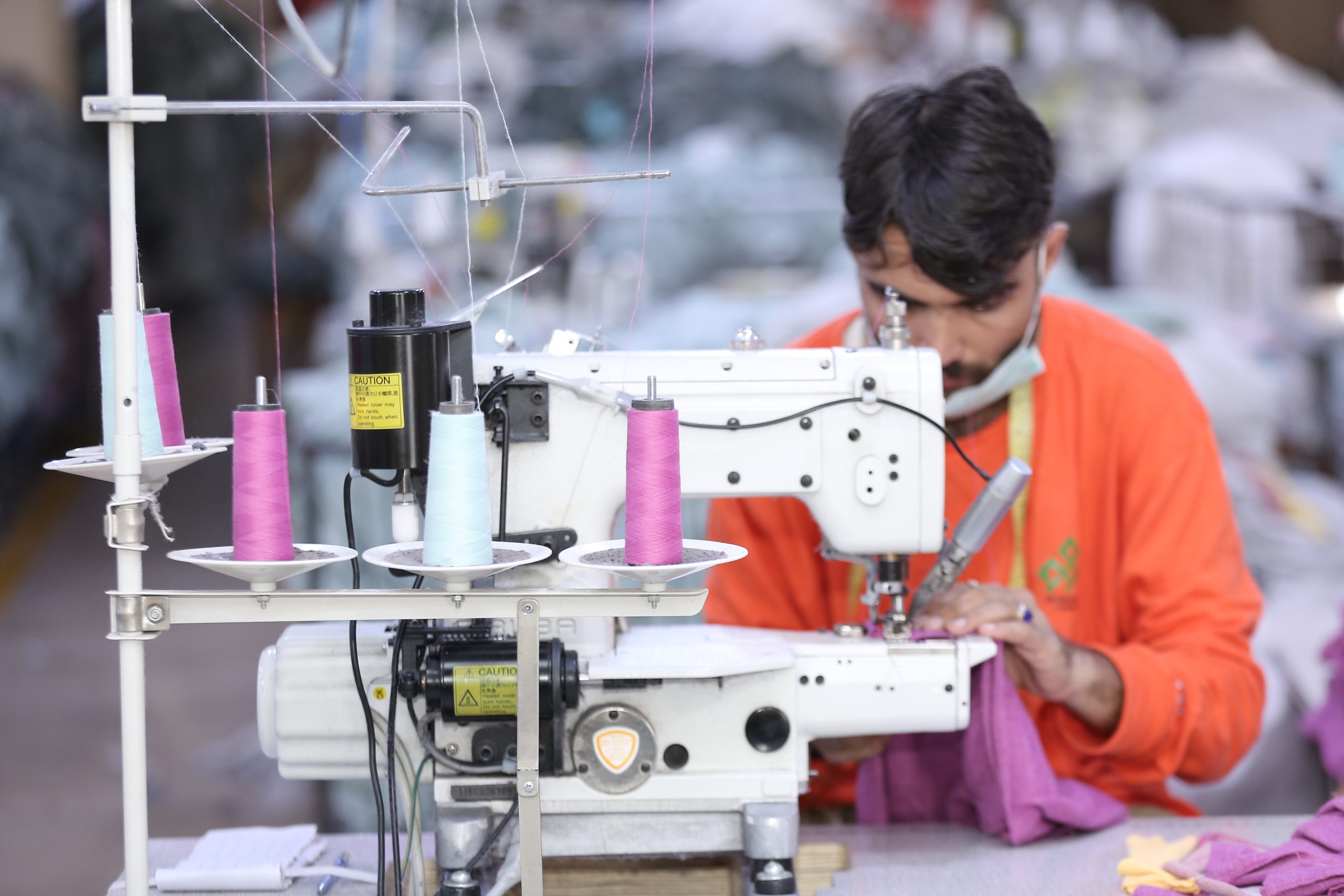
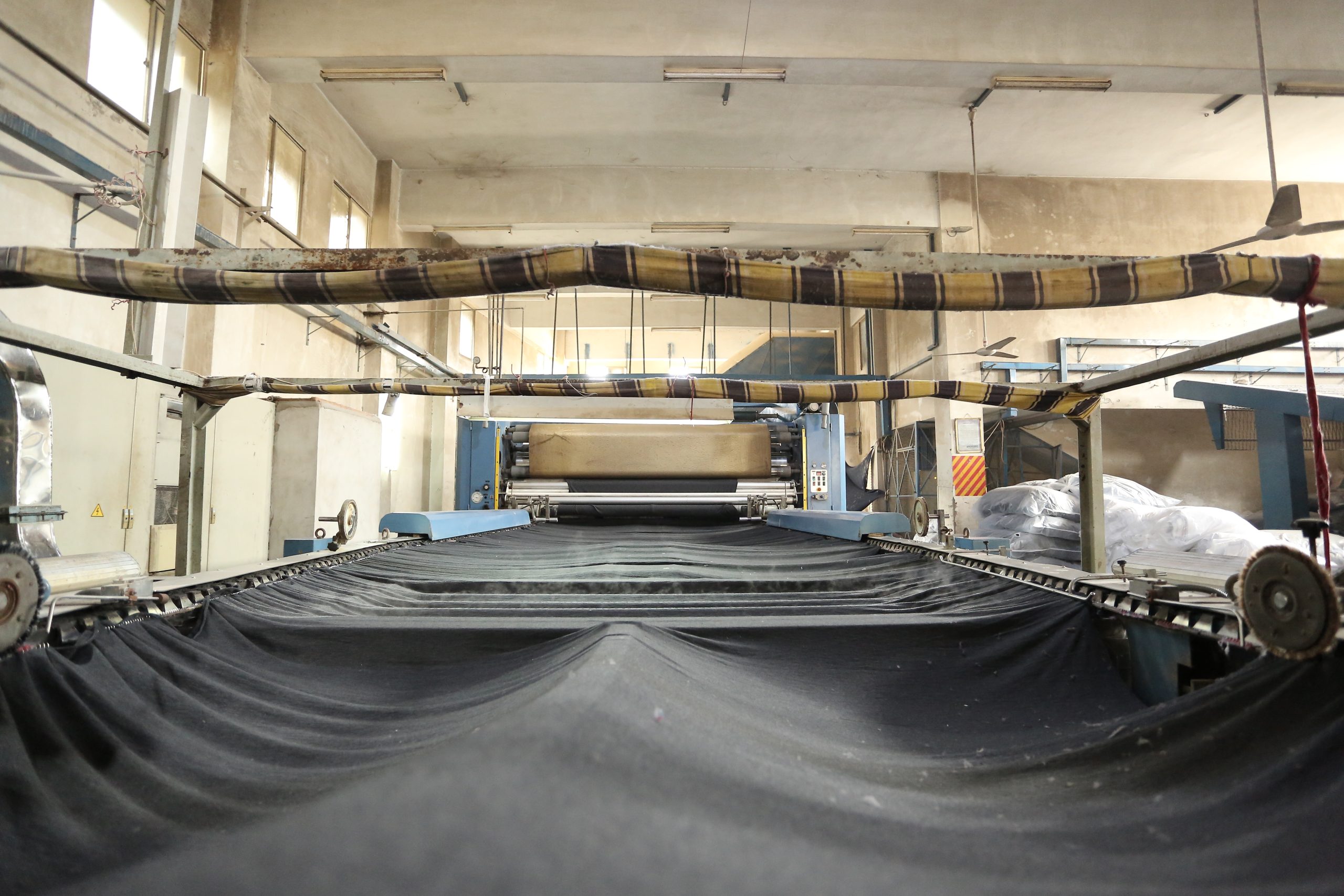
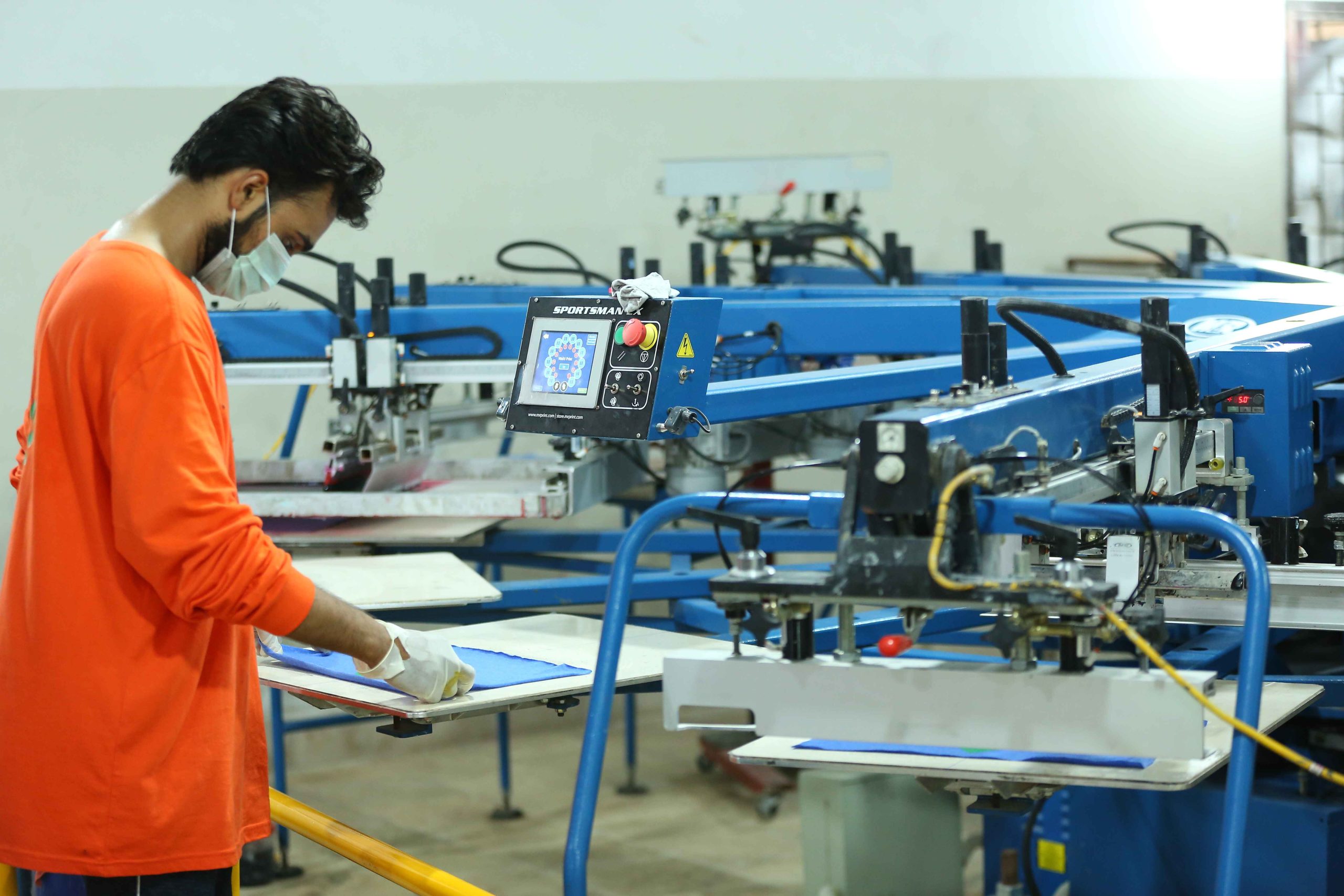
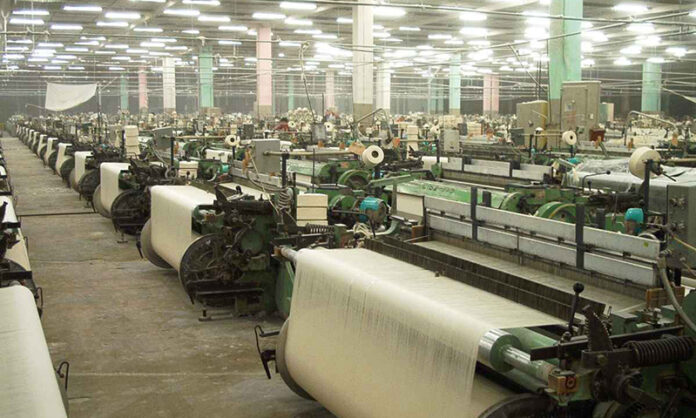
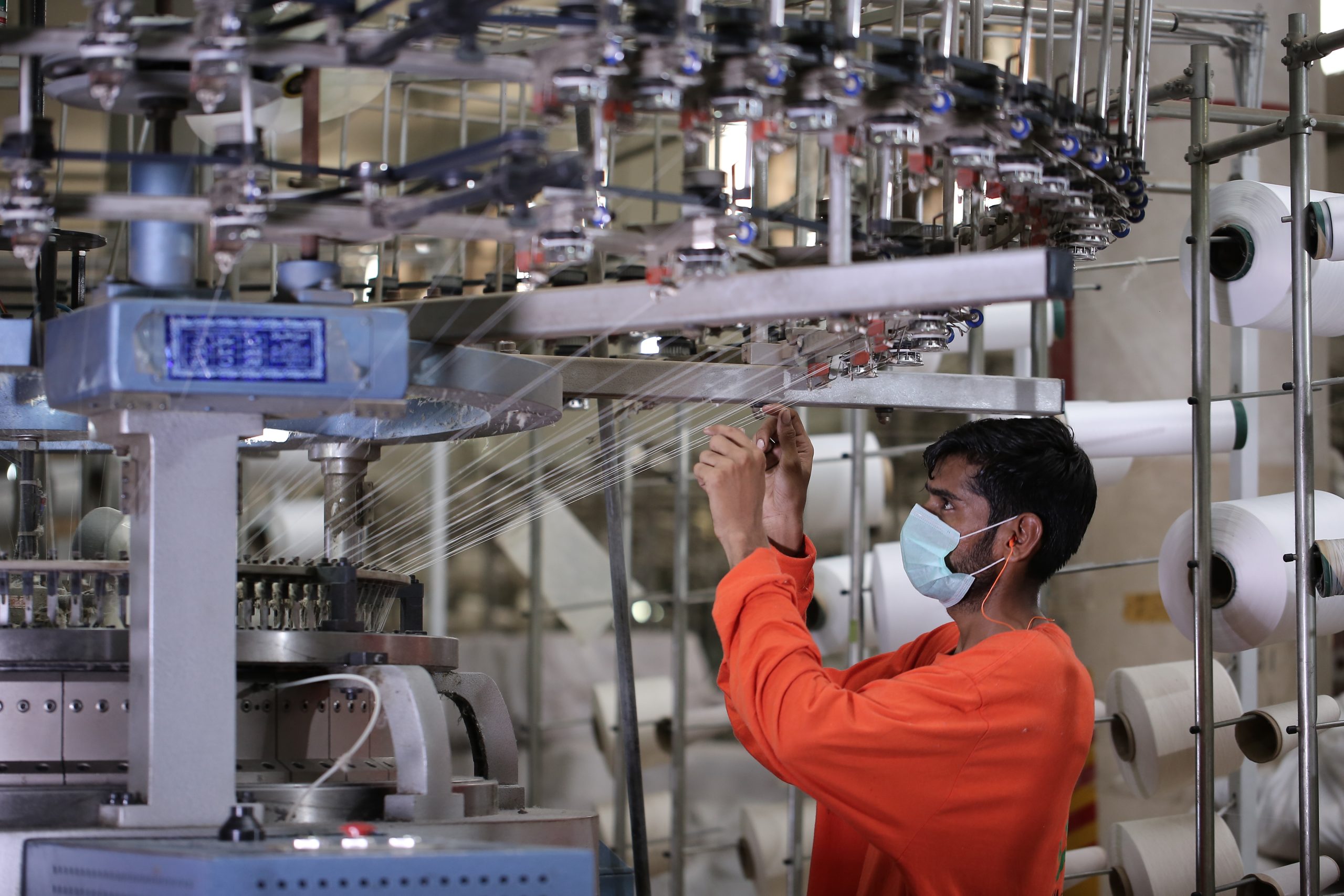
The foundation of any garment is the fabric. In the past, brands would buy fabric from one vendor and send it to another for sewing. In 2026, this fragmented approach is too risky. A modern textile manufacturing company like AM Group provides vertical integration. By controlling the spinning, weaving, and finishing under one roof, we eliminate the “middleman” delays that often plague fragmented supply chains.
Vertical integration provides a “buffer” against market shocks. When raw cotton prices fluctuate or shipping lanes are congested, a vertically integrated partner can shift schedules internally to maintain your delivery dates. This level of control is the only way to guarantee the “Certainty” that the 2026 market demands.
Technology: The Digital Backbone of Certainty
One of the biggest breakthroughs in 2026 is the widespread use of AI-driven forecasting and 3D prototyping. In the old world, a brand would wait weeks for a physical sample to arrive by mail, only to find the fit was wrong.
Today, we use 3D design tools to simulate fit and drape instantly. This doesn’t just save time; it eliminates the waste of physical sampling. When combined with AI tools that predict demand, brands can “buy tighter”—ordering smaller batches upfront and only increasing production once they see what is selling. This “agile” model is the ultimate insurance policy against the overstock and markdowns that hurt profits in 2025.
Choosing the Right Garment Manufacturing Company for SS26 and Beyond
As you plan your Spring/Summer 2026 collections, the criteria for selecting a garment manufacturing company have evolved. While quality and price remain important, you must also ask:
- Do they have regional diversification? Can they ship from multiple hubs to avoid regional tariffs?
- Are they “Data-Ready”? Can they provide the traceability data required for the new EU and US regulations?
- What is their “Speed-to-Market” record? Can they replenish a “hit” item in 3 weeks rather than 8?
In 2026, the best garment manufacturing company is the one that acts as a consultant, not just a contractor. They should be helping you navigate the complexities of modern trade rather than just waiting for your tech packs.
Conclusion: Future-Proofing Your Brand
The theme for 2026 is “Redirection.” We are redirecting our focus away from the lowest possible price and toward the highest possible reliability. The brands that will lead the market are those that recognize that “Certainty” is the ultimate competitive advantage. By partnering with manufacturers who prioritize vertical integration, technological transparency, and regional agility, you can ensure that your brand remains resilient, no matter what the global economy throws your way.
Ready to secure your 2026 production? At AM Group of Companies, we have spent the last year upgrading our facilities and digital infrastructure to meet the “Certainty” mandate of 2026. From sustainable textile production to high-speed garment assembly, we are your partner in stability.